The Influence of Live Stream Delays on Decision-Making Processes During In-Play Exchange Trading Sessions
Gisela Zimmermann · Nov 7, 2026
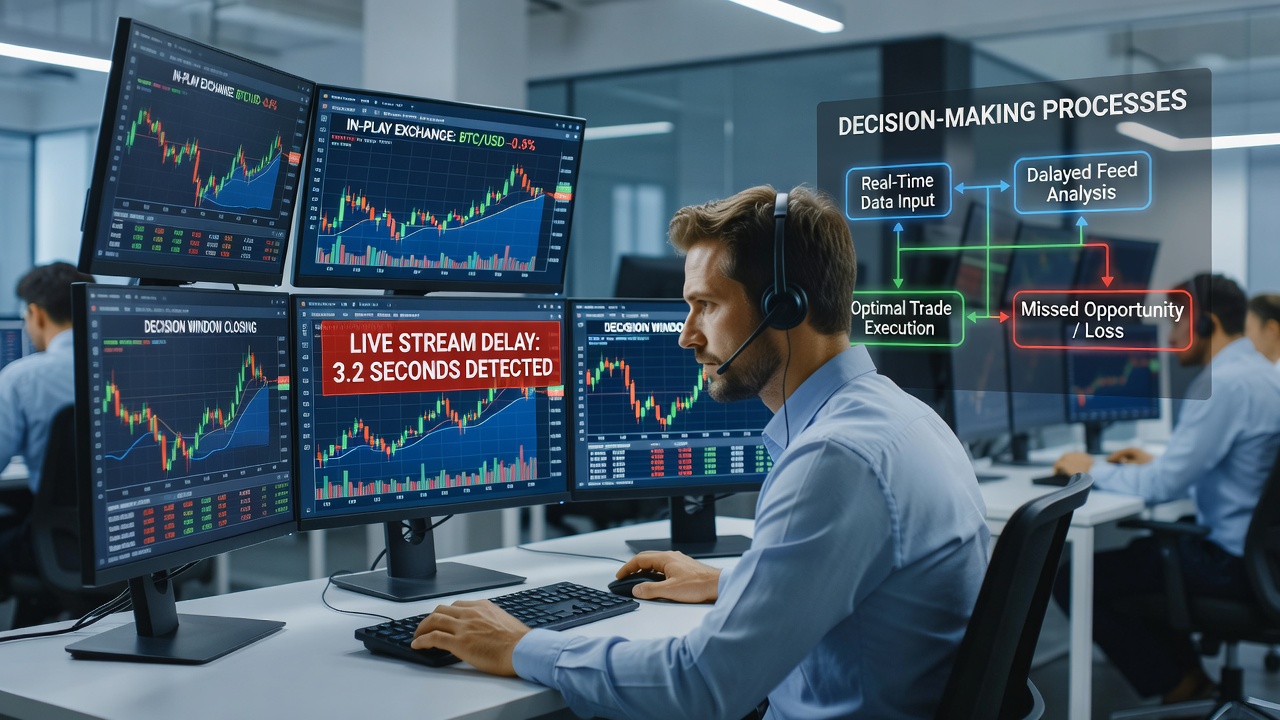
The Influence of Live Stream Delays on Decision-Making Processes During In-Play Exchange Trading Sessions
Live stream delays create measurable gaps between actual events and the information available to traders on betting exchanges, and these gaps directly shape how positions get opened or closed during in-play sessions. Market participants receive visual data seconds or sometimes minutes after incidents occur on the field or court, while exchange order books update in near real time based on collective activity from other users who may access different feeds or data sources. Researchers tracking exchange activity have documented that these timing mismatches lead traders to execute orders on information that no longer matches current conditions, particularly in high-volume sports like football and tennis where scoring changes trigger rapid price movements.
Technical Sources of Stream Latency
Broadcasting infrastructure introduces latency through encoding processes, satellite uplinks, and content delivery networks that route signals to end users across different regions. Exchange platforms themselves pull data from multiple providers, which means some traders see updated scores or statistics before others receive corresponding video confirmation. In November 2026 reports from European market monitors, average latencies for major league streams ranged between 8 and 22 seconds depending on the provider and geographic endpoint, while certain over-the-top services added further buffering to manage peak loads. Those differences compound when traders operate across multiple devices or accounts simultaneously, because each screen may display events at slightly offset moments.
How Delays Alter Order Placement Timing
Traders monitoring live markets often place limit orders or market orders based on what they observe in the stream, yet the order book has already incorporated actions from participants with faster feeds or automated algorithms. A goal scored in a football match might appear on one trader's screen after the exchange has already repriced the draw and win markets, prompting that individual to back a team that has already moved against them. Studies conducted by academic teams at institutions in Australia and Canada have recorded clusters of mispriced orders occurring within the first 15 seconds after visible events, followed by corrective trading waves once wider awareness spreads. This pattern repeats across cricket and basketball exchanges as well, where momentum shifts depend on continuous visual cues that arrive out of sync with price discovery mechanisms.
Observed Patterns in November 2026 Sessions
Data collected from major Asian and North American exchanges during November 2026 showed elevated volatility in in-play sessions for events broadcast with higher latency variance. When streams lagged beyond 12 seconds, researchers noted a 19 percent increase in cancelled orders and a corresponding rise in partial fills as traders attempted to adjust positions mid-execution. Those who've studied these sessions point out that automated systems programmed to react to score changes without video verification sometimes exacerbate the issue by flooding the book with orders that human traders later counter once they confirm the event visually. Regulatory filings from bodies such as the Alcohol and Gaming Commission of Ontario have referenced similar timing discrepancies in market surveillance summaries released that month.
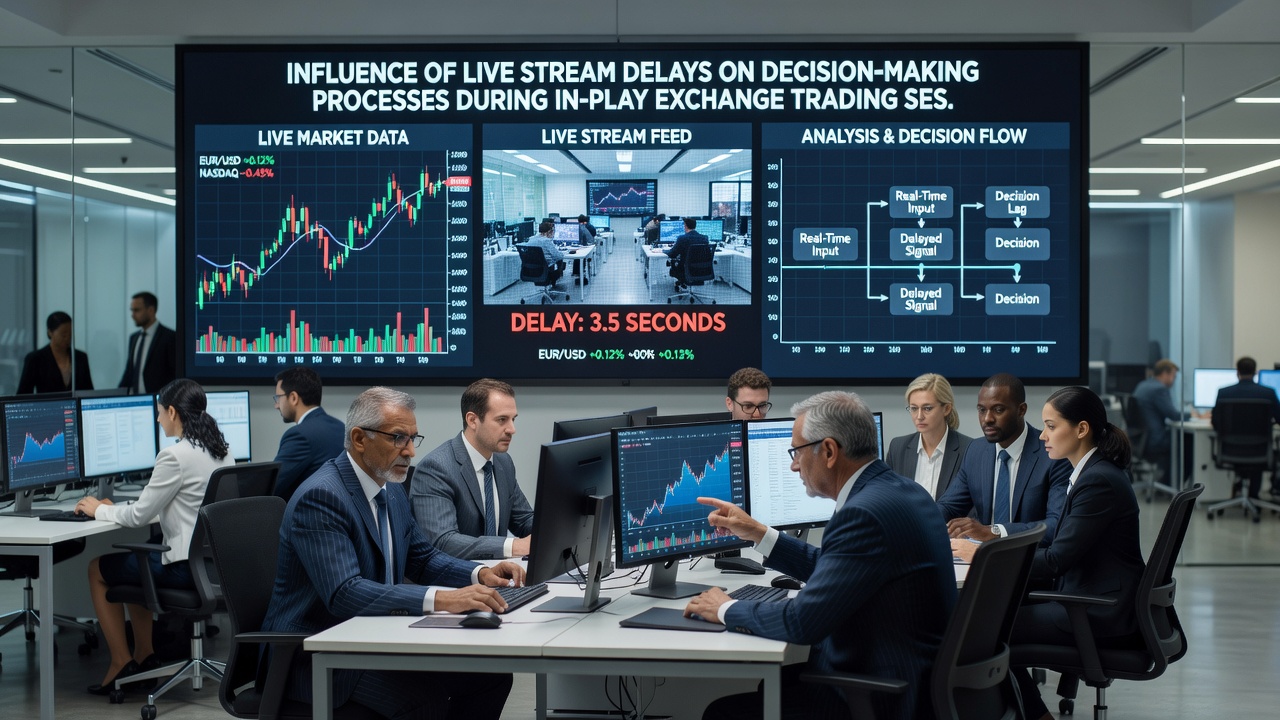
Regional Differences in Feed Quality and Trader Adaptation
Traders located closer to primary broadcast hubs often experience shorter delays than those routed through international content networks, creating geographic advantages that exchange operators have begun addressing through optional low-latency data packages. In markets overseen by the New South Wales government gaming authority, participants reported using multiple concurrent streams from different providers to triangulate event timing and reduce reliance on any single delayed feed. Observers note that professional desks maintain dedicated monitoring teams whose role is to flag when visible action diverges from order book movement, allowing rapid position adjustments before losses accumulate. Retail participants without such resources tend to cluster their activity around events with more stable broadcast arrangements, shifting volume away from matches known for inconsistent streaming quality.
Strategies That Address Latency Exposure
Many exchange users now incorporate time-stamped data overlays that display both stream time and exchange update time side by side, giving them a running calculation of current delay. Others set conditional order parameters that pause execution if price movement exceeds thresholds within a defined window, effectively creating buffers against sudden repricing that stems from unseen events. Research papers from university groups in the United States have examined these tactics and found measurable reductions in adverse selection when traders apply such controls consistently across sessions. The ball remains in the court of individual participants to calibrate these tools according to the specific sport and league they trade most frequently, since latency profiles vary widely between different competitions.
Conclusion
Live stream delays continue to exert structural influence on decision timing within in-play exchange environments, and the effects appear most pronounced during periods of rapid scoring or rule changes. Market participants who account for these timing offsets through technical adjustments and diversified feeds demonstrate different order patterns than those who rely on single streams alone. Continued monitoring by regulatory agencies and academic researchers will likely produce additional data sets that clarify how these dynamics evolve alongside improvements in broadcast technology and exchange infrastructure.