How Virtual Reality Dashboards Are Reshaping Real-Time Decision Accuracy for Novice Traders Navigating Asian Soccer Markets on Emerging Exchange Platforms
Otto Simon · Nov 21, 2026
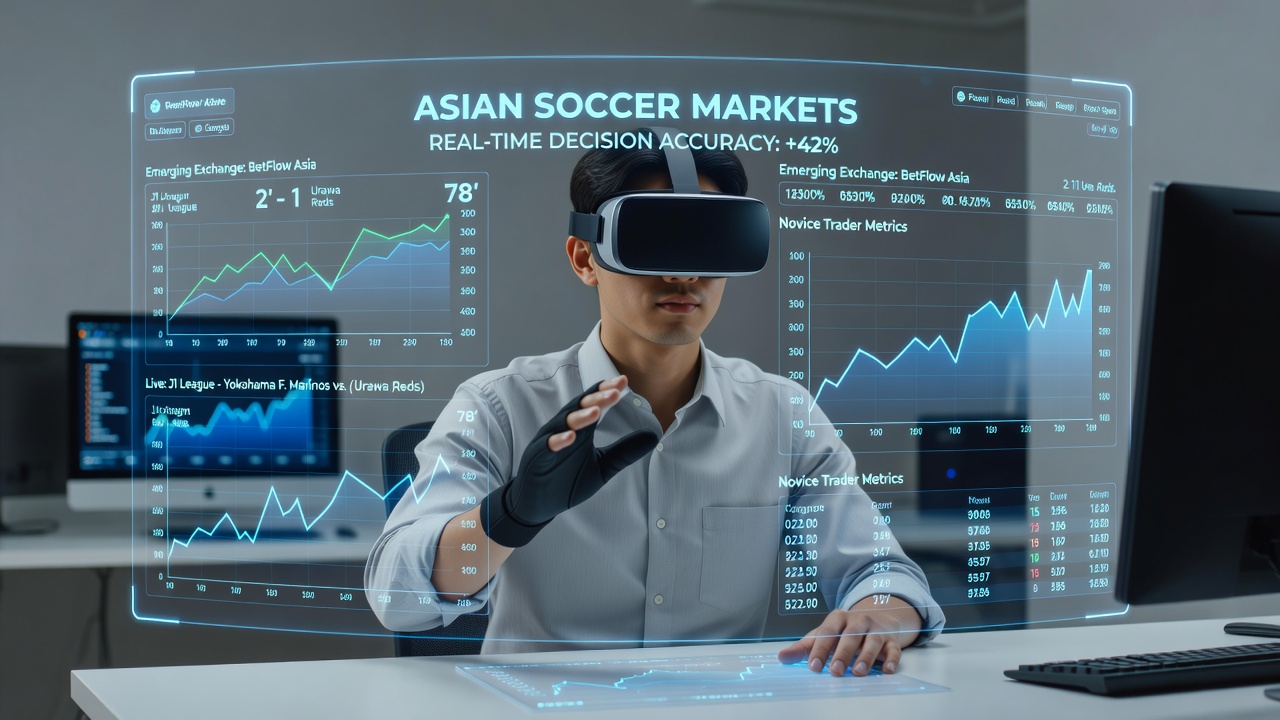
How Virtual Reality Dashboards Are Reshaping Real-Time Decision Accuracy for Novice Traders Navigating Asian Soccer Markets on Emerging Exchange Platforms
Virtual reality dashboards have started integrating with emerging exchange platforms that focus on Asian soccer markets, and data from November 2026 shows increased adoption among novice traders seeking improved visualization of live odds and match dynamics. These systems overlay three-dimensional representations of soccer pitches alongside fluctuating market prices, which allows users to track events such as corner kicks or substitutions in real time while monitoring liquidity shifts on platforms operating in regions like Southeast Asia and East Asia.
Platforms based in Singapore and South Korea have reported that novice participants using VR interfaces complete order placements with fewer input errors compared to traditional screen-based setups, according to internal metrics shared in industry briefings. The technology connects headsets directly to exchange APIs so that price ladders appear as spatial graphs while video feeds from matches in the J-League or K-League run in the same immersive space, and this setup reduces the need to switch between separate browser windows.
Platform Growth and Market Context in November 2026
Emerging exchange platforms handling Asian soccer have expanded their user bases throughout 2026, with trading volumes in soccer derivatives rising steadily in markets such as Thailand and Malaysia. Government reports from the Monetary Authority of Singapore indicate that licensed operators processed higher numbers of in-play transactions during the autumn league schedules, and many of those transactions originated from new accounts opened by individuals with limited prior experience in exchange trading. VR dashboards entered this environment as an optional interface layer rather than a replacement for mobile apps, and operators noted that users who activated the feature maintained longer sessions without logging out due to interface confusion.
Technical Features Supporting Decision Processes
VR dashboards present match statistics as floating panels positioned around a virtual stadium model, which lets traders observe player positions while simultaneously viewing order book depth. Color-coded heat maps highlight zones where goal probabilities shift most rapidly, and these visual cues update every few seconds based on live data feeds. Novice traders gain access to tutorial modules embedded in the virtual environment that demonstrate how to place limit orders or cancel unmatched bets without leaving the immersive view, and platform analytics reveal that completion rates for these tutorials exceed 80 percent among first-time users.
Sound spatialization adds another layer by directing audio alerts toward specific directions when liquidity clusters form around certain outcomes, while the system filters out non-essential notifications to prevent overload. Research compiled by the Asia-Pacific Association of Gaming Regulators shows that participants using these combined visual and auditory elements registered higher accuracy in predicting short-term price movements during simulated sessions that replicated November 2026 league fixtures.
Observed Patterns Among Novice Users
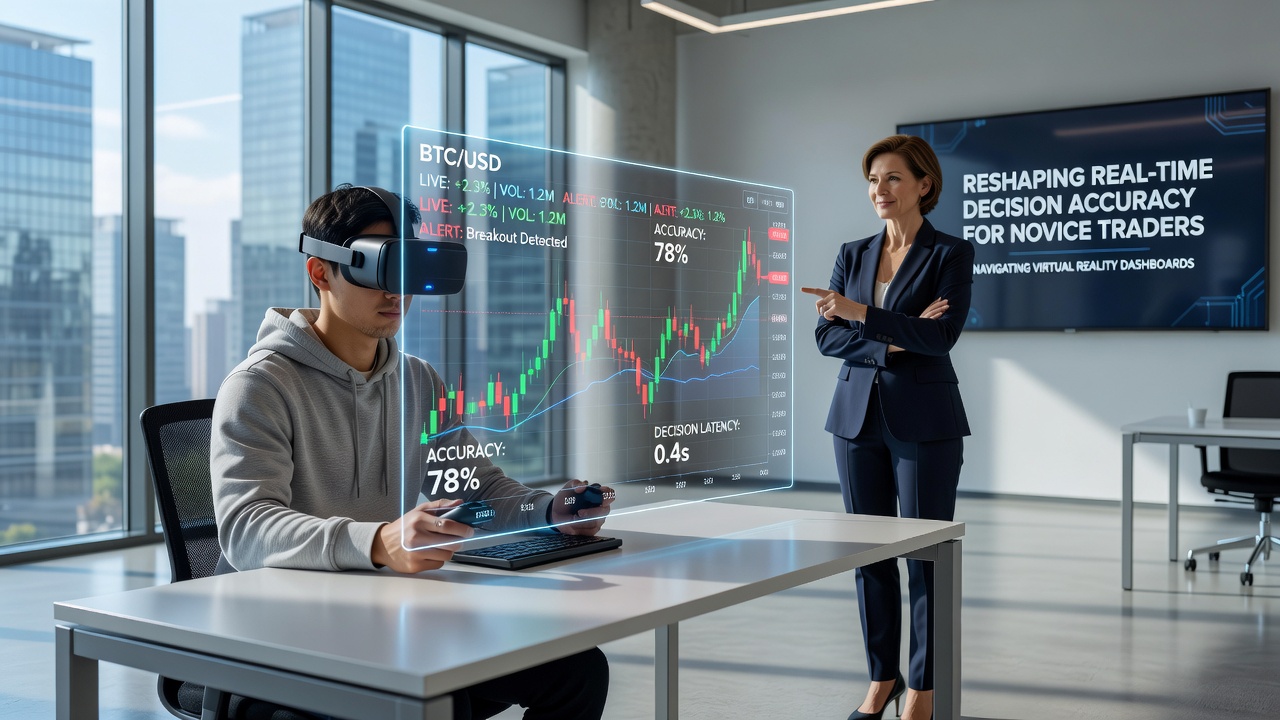
Those who have studied adoption patterns note that novice traders on these platforms often begin with smaller position sizes when first using VR tools, then gradually increase exposure as familiarity with the spatial layout grows. Data collected from one operator in Hong Kong during October and November 2026 indicated that average decision latency dropped by several seconds per trade when users switched from flat screens to VR, and error rates in order submission fell correspondingly. The same dataset revealed that traders who combined VR sessions with brief breaks between matches maintained steadier accuracy across multiple games compared to those who remained continuously immersed.
Training programs offered through the platforms incorporate recorded match scenarios from prior seasons so that users can practice responses to events such as red cards or weather-related stoppages without risking actual capital. Observers have documented that individuals completing at least three practice modules before entering live markets demonstrate improved recognition of when Asian handicap lines move in response to early goal attempts.
Integration Challenges and Platform Adjustments
Hardware requirements still limit broader rollout because high-quality headsets remain expensive in some Asian markets, yet several operators have introduced subsidized rental programs tied to trading volume thresholds. Connectivity issues arise during peak evening hours when multiple users access the same servers, and developers continue to refine compression algorithms to maintain stable frame rates. Regulatory bodies in Australia have issued guidance requiring clear disclosure of VR interface limitations, including potential motion discomfort, before accounts can activate the feature.
Conclusion
Virtual reality dashboards continue to evolve alongside emerging exchange platforms focused on Asian soccer, and the combination supplies novice traders with layered data presentations that align visual context directly with live market activity. Figures from late 2026 demonstrate measurable shifts in order accuracy and session duration when these tools become available, while ongoing refinements address hardware access and connectivity constraints across different regions. The approach represents one development among several technological adaptations currently reshaping how new participants engage with real-time trading environments.